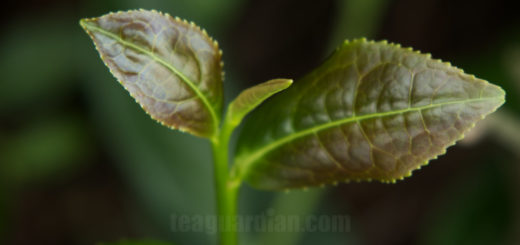
Why does China export all those cheap teas?
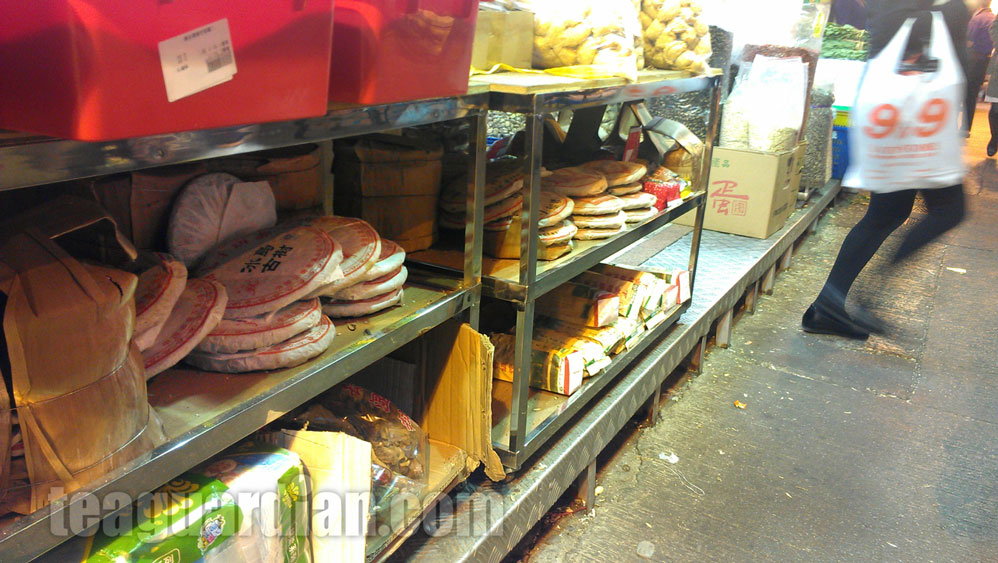
Cheap puer in tea discuses ( tea cakes, or cha bing ) and paper packs piled up in a rusty metal shelf in a fresh market. Such quality could be nicely packaged as premium products in the West.
and keep the good ones for themselves?
The low price jasmine leaf tea and so-called gunpowder that one sees in the supermarket are not the lowest price teas that China exports. Think also of all the materials for instant tea mixes, bottled tea drinks and “fanning” and “dusting” in teabags. However, the largest quantity of these things come not from China, but other tea exporting countries.
Tea traders in the West have long been spoiled by low price (and good margins) since automation in their plantations in various colonies early last centuries. The successful marketing of the teabag, and later tea mixes and RTD products further ingrain that business culture. The mass had subsequently been conditioned to think tea is just that. The quality and, naturally the price, of products that a trader markets to his customers is not only a business or economic issue, but also a cultural one.
tea for all classes, just different quality, different price
In China, where the best tea used to be reserved for the emperor and the elites, people have always understand that fine tea comes with a high price. Competing with one another on the best tea one could get was a revered party activity amongst the leisurely. The tradition is alive and vibrant today, albeit exaggerated, with added fuel from a growing population of middle class and nouveau riche. That is why extremely fine teas in the greatest array of taste characters, origins and appearance are abundant in that country.
Low grades leaf teas have always been affordably available for all. Traders nowadays take advantage of that to import these to put on fancy labels and sell as premium teas to an under-informed and inexperienced market. That’s another story, however.
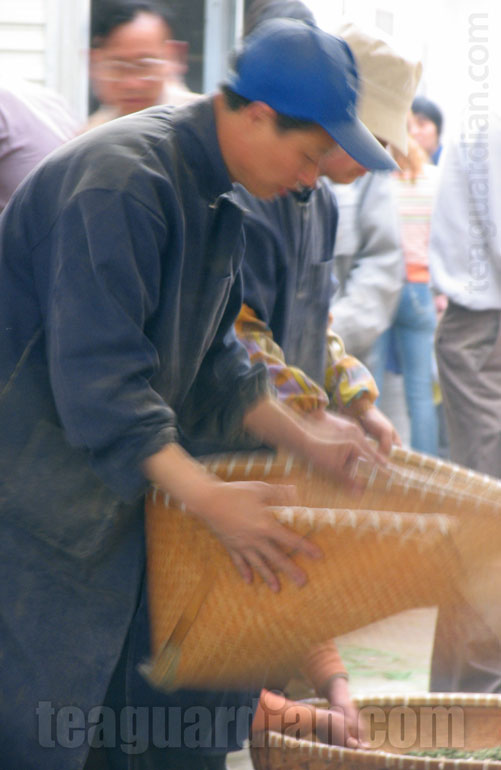
Tea farmers’ market throughout China dispatch million tons of tea every season. Some can be exquisite quality, some down right awful. Almost all whole leaf tea, many look alike to the untrained eye. They are all open market — any body can go in to look around and shop.
Quite immediately after Cultural Revolution and a decade before China’s real economic reforms, when I began to travel around that country, a mug with whole-leaf tea soaking in it was the usual drink for small town officers, train conductors, restaurant workers, nearly everyone. Once when I was passing through a rural small town in the borders between Zhejiang, Jiangxi and Fujian, a giant barrel (maybe 50 liters) was laid on the sidewalk next to a monastery, offering free tea to all passerby people like myself. It was a Fujian style black tea, albeit thin, but fresh, tasting good and refreshing. This was the good old days though.
who is not ready for it, the traders or the market?
Today, Lipton’s teabags are available in all major supermarkets in China now ( one maybe standing there next to that monastery ), in addition to other international and local brands of mixes and bottled tea, together with packages of all designs and brands of mass-market whole leaf tea. Where amongst tea traders in China, the label “supermarket brands” suggests selling low quality products in massive quantity for good profits, the same leaf teas in these bags or tins could be labelled as supreme grades in a Canadian high profile tea chain store, or the like in any country.
In 2000 when I first tried to promote fine tea in Europe through a food fair in Paris ( SIAL ), importers were fascinated by the quality, range and marketing, but when they saw the price, they became very polite. A young London based Indian importer dressed in exquisite quality banker’s suit and trendy fine leather shoes asked, “Why the price?” Obviously he would have difficulty in selling these finer teas after he added his usual margin to afford his plush fashion. The tea economy that he understood from his native country was always very, very different.
who is in control?
When I took the same range of products to Turin in Italy in another food fair ( Slow Food ), where I had to do a tea tasting, all 30+ canisters of tealeaves in my suitcase, including those that were partially used for the tasting, were sold out in half a minute after the event, at normal retail price.
The market is in need of genuine quality. It is the traders’ reluctance to learn and educate the market that is the hurdle in between. Insisting on that impossible margin they have enjoyed does not help.
So the question of why China has been exporting cheap tea, or rather why the West has been selling low quality tea, is more a chicken and egg question. Whether it is necessary first to have importers willing to promote finer teas, or first a population demanding higher quality products, I do not know. It is obvious, however, to have finer teas more accessible in the West is a condition determined by the consumption side, not the producing side.