The Nature of Green Teas

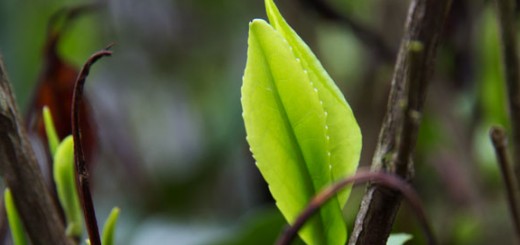
Green tea production: “Lang Qing” — Freshly plucked tea leaves being withered briefly in the shade before the sha qing process.
orientation
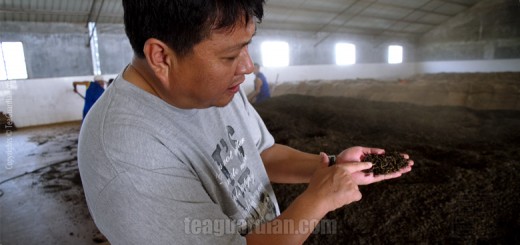
A green tea is defined as a tea cured and dried quite immediately after plucking, thereby avoiding leaf enzyme activities that would change the natural biochemical contents of the leaves. According to this aspect, the final products retain the most natural existing health contributing substances for the user. (However, this does not mean that this category is the best choice for any individual seeking to use tea because of its health benefits. Please refer to the health section of this site for more information.)
This is the category with the longest recorded history and the most possible varieties. It is the quintessential tea of the Far East and a subject of study for how this constitutes a healthy diet in traditional Asian culture. Repeatedly it is proven that a green tea habit can help to prevent cardiovascular diseases, obesity, cancers, diabetes and other problems.
Lower price products tend to be grassy and may not be suitable for the health of certain people so some people intrinsically reject green tea. However, the general taste characters of these products is a misrepresentation of the category. A fine green tea tastes very differently from a mass market product.
diversity
Although green teas are generally brighter and sharper in taste, the character of individual varieties does vary quite dramatically. For example, there is the softer, sweeter, Mengding Ganlu that is roasted; contrasting the sharp, brisk, and slightly astringent baked Kaihua Longding.
While in black teas, the infusion that is darker in colour seems to be stronger in taste, the same is not true in green tea. So judge your infusion by taste, not by the colour. The infusion parameters, i.e. how you make a cup of green tea, can be a little different from your usual black tea, so the fineness in a green tea may surprise you once you prepare it properly. (and that you have a fine enough product)
-

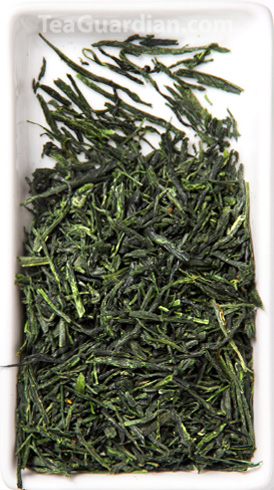
- Uji Gyokuro 宇治玉露 of a very fine quality “Purple Cloud” grade, a classic representation of premium Japanese steamed green tea.
-
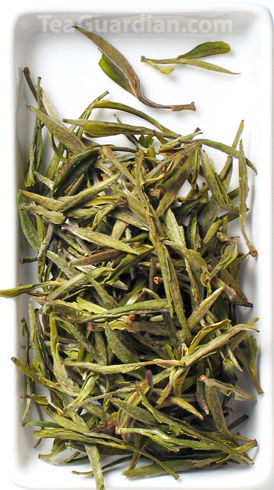
- Huangshan Maofeng 黄山毛峰, original style, premium quality. This is perhaps the most famous baked green tea. Notice that it is more yellow than some other green tea.
-
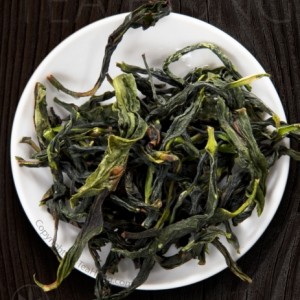
- A green tea made from Taiwan wulong cultivars
-
- Long’jing 龍井, a flat-roasted tea, is by far the most famous green tea of China. This one from Meijiawu, Hangzhou 杭州梅家塢 20528 | 8768

-
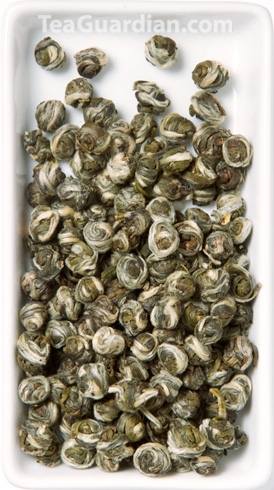
- Jasmine Silver Pearls, aka Honey Pearl Pekoe, Moli Xiao Longzhu 茉莉小龍珠, is a premium scented green tea. This one is a premium quality from Fujian
-
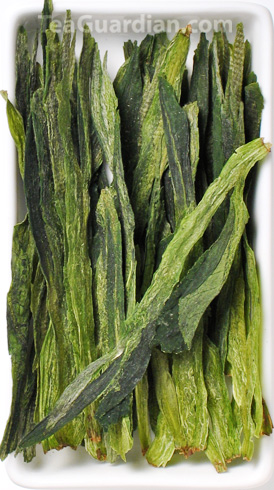
- Green Tea: Taiping Houkui 太平猴魁 This is a premium “bujian” class
-
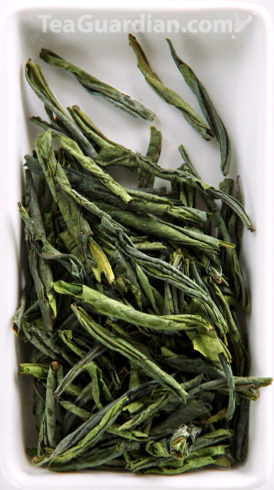
- Luan Guapian 六安瓜片, one of the finest green tea varieties from the Anhui region
-
- Yunwu 雲霧, an affordable machine roasted whole leaf green tea produced in many regions in China. This same tea (and many others) has been seen marketed in any famous green tea name: Huangshan Maofeng, Biluo Chun, etc.
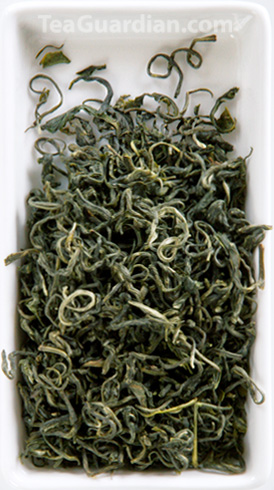
These are some examples of various green teas made from entirely different tea cultivars using different production styles. They smell and taste differently. For seeing more varieties, please visit the green tea gallery.
Very often I hear about people who are used to black tea or coffee say they have difficulty in switching to green tea because of the taste. Well, they may not have explored enough; or they are not ready to switch. For people who want to stick with black tea, I’d advise finding a really good one so its health benefits can be maximized. In any case, looking for a fine green tea that suits your taste and your budget is really as much fun as looking for a good wine, or any other good food, for that matter. A cup or two of it in your daily diet, in replacement of your black tea or coffee, can make a difference, both for your taste sensibility and your health.