Tea Usage Care and Cautions
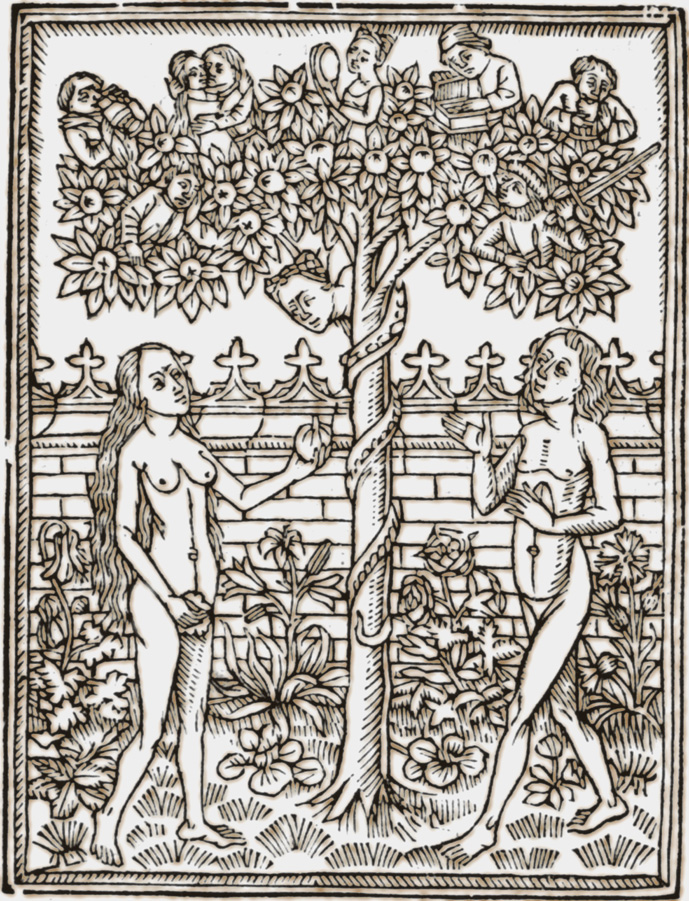
We are not religious about tea, but a good understanding of things is important for enjoying a better life. Before we make it to Paradise, a bit of knowledge helps.
tea usage: 8 more don’ts
2. Don’t over-drink
There are various theories as to the maximum daily recommended intake of tea. Some researchers suggest in order for tea’s salutary effects to work, one needs to drink at least six cups; some others say eight. In the 17th century, a Dutch physician even suggested drinking continuously 50, 60 up to 100 cups of tea a day to cure illness. This Dr Cornelis Bontekoe did drink that greatest number in just a morning for treating his own kidney stones (2). While continuously drinking hot tea can quite immediately cure certain minor ailments for some people, it is only with selected body conditions with selected teas. Intake of a large amount of tea in a short time can cause nausea, and upset the pH balance of your digestive and circulatory system. Always drink at a moderate pace and in small sips.
There was an incident of Earl Grey causing muscle cramps and blurred vision in a man, but it was the bergamot oil that flavoured the tea that was the cause, and the person involved was consuming 4 litres (approx 26 cups) a day. He switched to normal black tea and the symptoms disappeared. Bergamot oil can be a health supplement when used properly. That was an incident of abuse.
Since different teas work differently with different people, I suggest that when one tries a new tea, keep to a maximum of 18 grams (3) of tealeaves a day. That translates to 6 cups each from a fresh batch of leaves when infused at the 2 g per 100 ml water standard. <Read more about measurements> However, when you are accustomed to the tea, you may choose to work up the quantity so you are less restricted. I myself can be consuming as much as 50 grams a day outside of my job capacity, but I am a seasoned drinker and I make tea in the gongfu style at least half of the times.
One may also get drunk with tea. It happens with chain drinking of very strong infusions. Symptoms can be some or all of these: headache, stomach ache, dizziness, nausea, and even blurred vision or motor coordination lapses.
The reason for that being tea is a powerful blood sugar regulator. Moderate quantity at moderate strength helps to control or prevent diabetes. Too strong and too much, it simply tricks your body to conserve sugar and thus you are suddenly too low on it.
When this happens, stop drinking and take something to raise blood sugar. Milk candies, ice-cream, sweet milk, tea biscuits such as butter short bread or ladies’ fingers, or just any cookies or plain butter and bread will help tremendously. Even a saltine cracker makes a difference. Sweet dairy products, such as ice-cream or milk candies, work the best. If you like your tea strong and drink a lot, keep it to one kind of tea for a half-day, and restrain yourself to at most 20 grams of tealeaves for a day. Until you know what you are doing.
Depending on the kind of tea you use, over drinking may also cause stomach problems or to certain people, hinderance in sleep. If you have such problems, it is likely either a tea quality issue or a mismatch with tea variety selection and your body condition. Adequately aged traditional style oolongs or post-fermented teas are usually much safer options. Do drink moderately and blanch your tea once before properly infusing it.
3. Don’t avoid tea because you are pregnant
The theanine, flavonoids, and caffeine etc in tea are good supports for a stronger immune system in this very time of your life. Think of the complications even if you get just a common cold or a flu. The UK Food Standards Agency recommends 300 mg of maximum daily intake for pregnant women, which, according to the same Agency, is equal to 6 large cups (230 ml) of tea (4).
4. Don’t drink cold tea if you have a health concern
As said in other articles, cold tea is cold and dampening in TCM nature, which can worsen conditions in the digestive and the respiratory systems. Things that are cold and dampening in TCM nature are also not good for people during recuperation from any illness; those with little exercise; those with obesity, those before and during menstruation; those with menstruation problems; those who are easily irritable; and those who are vulnerable to infections, such as pregnant women or people in an epidemic area. I have not been able to find reading resources in English with a comprehensive list of items that are cold and dampening in TCM nature, but two common place items in the modern diet are soft drinks and beer.
Hot tea of the appropriate variety, on the contrary, can boost one’s immune, relax anxiety and dissipate dampness.
5. Don’t drink tea immediately after food if you are needing iron supplement
There has been some studies showing that the oxalates and polyphenols in tea may chelate the iron in food and render it non-absorbable for our body. It is therefore wise for those who need extra iron intake not to consume tea within 45 minutes of the ingestion of the person’s major food source of iron, or 20 minutes after a supplement, such as iron pills.
6. Don’t use choices with obviously stronger caffeine or fluoride contents
If you have caffeine intolerance, or worries of excessive fluoride intake, avoid strong green, black and dark teas. Large leaf traditional oolongs, i.e. Phoenix, Taiwan Paochong, and Wuyi, especially when they are matured, are much safer.
7. Don’t use instant mixes or ready-to-drinks
Let’s be honest; these things are not really tea and they do not provide the benefits of even lower grade loose teas. If you pay attention in tasting them, they are no good at all. Cup for cup, they are more expensive than leaf tea of much tastier quality.
8. Don’t put a lot of sugar in your tea
Excessive sugar is a major cause of health problems. If your tea does not taste good, use a better tea or see if there is room for improvement in your preparation technique. The sophistication in the taste of fine tea can be completely depleted through the distraction of sugar or excessive flavourings. A small bite of cakes, biscuits, nuts or dried fruit, however, can accentuate it, while satisfying the crave for intensity in the palatial senses.
9. Don’t use tea to swallow your medicine with
The bio-active and health potent substances in tea are natural chemicals that may react with certain medicines, or even health supplements. It is safer to avoid intake of tea together with these substances unless a clear effect is known. Keep them 20 minutes apart.
footnotes
2. Alan Macfarlane, Green Gold. 2003, Ebury
3. How much is a gram of tea? Click here to find out.
4. Food Standards Agency, UK, Survey of Caffeine Levels in Hot Beverages, 2004. Basing on British Standard, Tea — Preparation of liquor for use in sensory tests BS 6008:1980 / ISO 3103:1980, which specifies 3 grams of tealeaves for each 150 ml cup. 6 cups of tea therefore means the application of 18 g of tealeaves. However, the FSA standard for a cup of tea is 220 ml and the infusion convention of 1 g of tea to 100 g of water is used in their survey. That means 6 cups of tea according to FSA is 13.2 g of tealeaves.