Tea & Bone Health

It is found that there is a positive effect in maintaining bone density for matured people to play taichi regularly in addition to a tea habit ( look who’s that guy doing taichi there in Central Park )
In the Hong Kong study, they have found that EGC (epigallocatechin, one of the major tea catechins) has shown to be the most actively contributive element for the result. EGC is present in most teas(8), only a lot more in greens and whites. Theoretically one should still be able to get it drinking green, black, white, or oolongs.
It is, however, a delicate material and easily get oxidised when the tealeaves are exposed or not stored well. Chopped up or very broken tealeaves do not hold this well. Neither is bad packaging or storage, such as those for teabags in those flimsy cellophane wraps and paper boxes.
If this seems to be telling you to stay with better quality products, it really is.
Horror Tales of poor quality tea
Other studies about the relationship between poor quality tea drinking and bone problems should alert you: Skeletal Fluorosis — excessive hardening of bones making the bones more prone to breaking.
A case report(9) following a middle aged woman in USA investigates the cause for her body-wide musculoskeletal pains ( aching of bones, tendons, and muscles ). Fluoride levels in her body were 1.5 ~ 6 times higher than normal. Skeletal fluorosis, as the condition is called, when serious, can cause deformities of the skeleton and cripple a person.
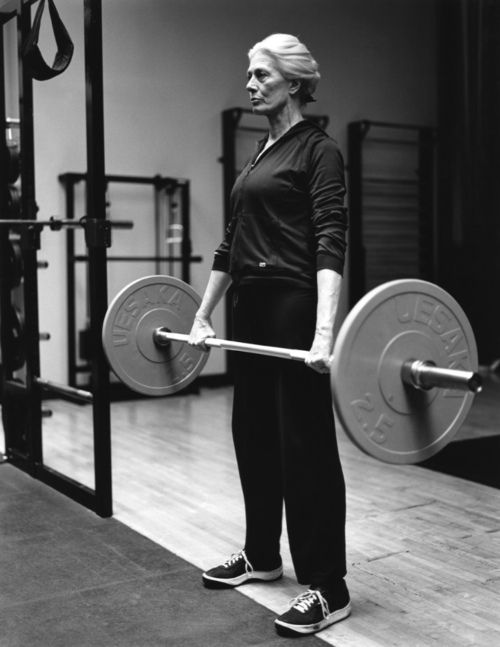
Weight training is another kind of exercise that helps bone density maintenance
Vicious monsters: Instant tea mixes and ready-to-drinks
The cause was the instant tea mix (of a most popular brand) she had been drinking daily. A glass alone prepared according to the product instruction already exceeds FDA fluoride concentration limits. And she had been drinking it double strength (I don’t blame her: other than the cheap sugary taste, there is not much else).
Further investigation into other tea mixes and bottled tea found that they also exceed the fluoride limits.
As the scientists have correctly pointed out, fluorides concentrate in the matured leaves, twigs and berries of the tea plant. Lower cost tea materials that are mown from the top of hedge-like tea bushes during off-seasons are typically used for the production of bottled drinks and instant mixes. Such low cost materials allow big brand names the kind of profit margins that support fancy marketing and fat pay cheques for the executives. The consumers pay not only the price tab but also with their health.
Read more about bottled tea fluorides in tea
Poor quality tea affects also those who could least afford it
Poor quality tea that is low on catechins but high in fluorides dos not necessarily go only to manufacturers of instant tea mixes or bottled tea to affect consumers in the developed world. It can be in many other forms. Such as powdered or broken tea in the mass market local to the production country, such as that in India.
The Indian paper mentioned in the beginning of this article, where the study was merely in the form of questionnaire made to 100 samples and 100 control samples, is hardly comparable with the study in Australia, or any other studies cited in this article. It is unclear in their samples whether their bone complaints happened as a result of lowering of BMD (bone mineral density) or other issues. The term has not even appeared in the paper. The problem with the high occurrence of bone problems can be related to the general nutrition and health care conditions in the country, which the report touched on as well.
Low quality, mass market tea products are generally high in caffeine, fluorides ( even if decaf ) but low in flavonoids and catechins.
A gestalt view on bone health

5 cups of tea a day is enough to make a big difference
In a cohort study in Japan(10) , where the mobility of about 14,000 persons of age over 65 was followed for three years to observe their lifestyle in relationship with the occurrence probability of functional disability caused by such age related problems as stroke, dementia, and bone fracture. Those who drink over 5 cups of green tea a day are between 51~33% lower risks of occurrence and live more sociable lives.
Specifically, as the scientists in one of the many related studies(11) put it, “Epidemiological evidence has shown an association between tea consumption and the prevention of age-related bone loss in elderly women and men.”
This concludes for us: good quality tea promotes bone health and health in general.
The bottom line is, it is much better to enjoy life with a healthy life style. Also to enjoy the good taste of fine teas and the health benefits they bring, such as keeping your bone healthier for longer time, rather than burdening yourself with pills and supplements. And the risks of taking the wrong ones that could kill you by hardening your blood vessels for a heart attack.
To good life.