Is a Semi-fermented Tea an Oolong?
the market wants more choices The production of oolong is defined by the degree of “fermentation” as well as...

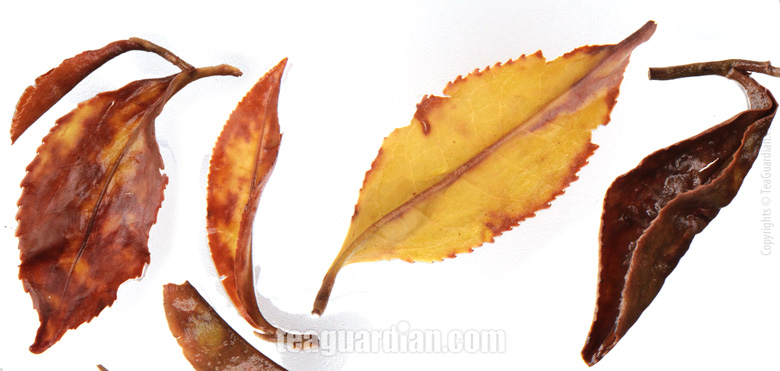
the market wants more choices The production of oolong is defined by the degree of “fermentation” as well as...
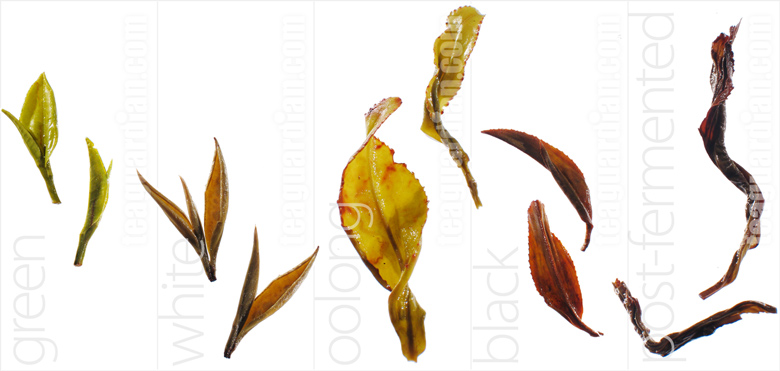
Fermentation in tea production refers specifically to the process when enzymes of the leaf oxidize the leaf’s other constitutional matters. Controlling how the tea ‘ferment’ is one of the most important steps in determining the final material nature of the product.
Nature of tea / The category of Modified teas
by Leo Kwan · Published 2014.08.08 · Last modified 2016.03.16
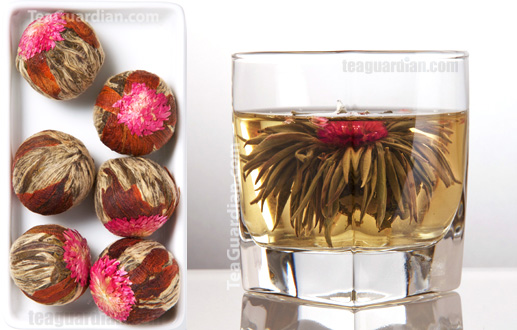
transforming appearance of the tealeaves by handcrafts Before the teabag was invented, there has been...
Nature of tea / The category of Modified teas
by Leo Kwan · Published 2014.08.08 · Last modified 2016.03.16
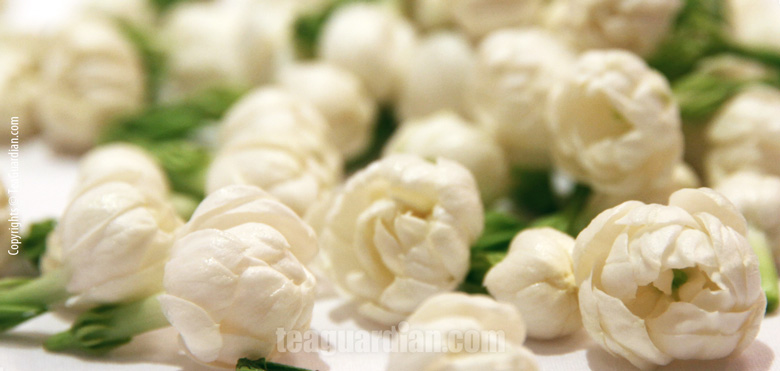
Tea has been popularly consumed with various other ingredients since antiquity. Milks, nuts, grains, herbs,...
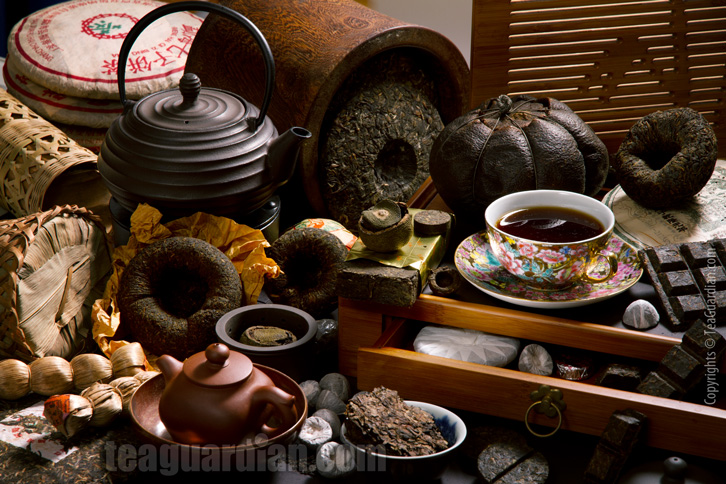
Nature of tea / The category of Modified teas
by Leo Kwan · Published 2014.08.07 · Last modified 2016.03.16
A Historical Form Compressing lessens the bulkiness of the tealeaves for transportation. This is especially...
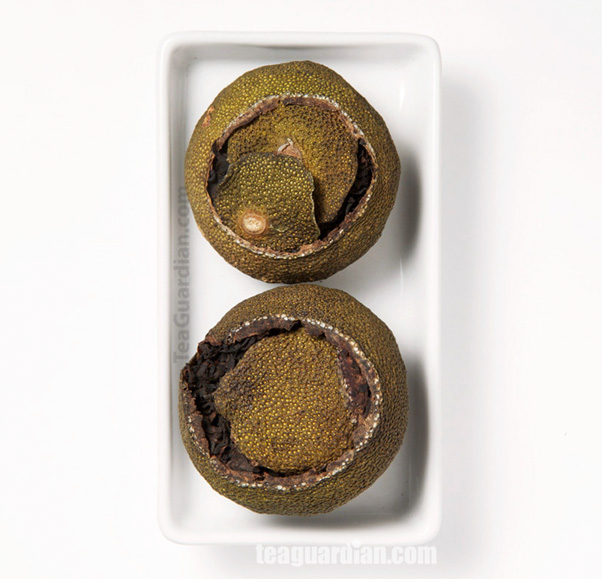
Nature of tea / The category of Modified teas
by Leo Kwan · Published 2014.08.06 · Last modified 2016.03.16
So far, we have covered most of tea categorization basing on the degree and style...
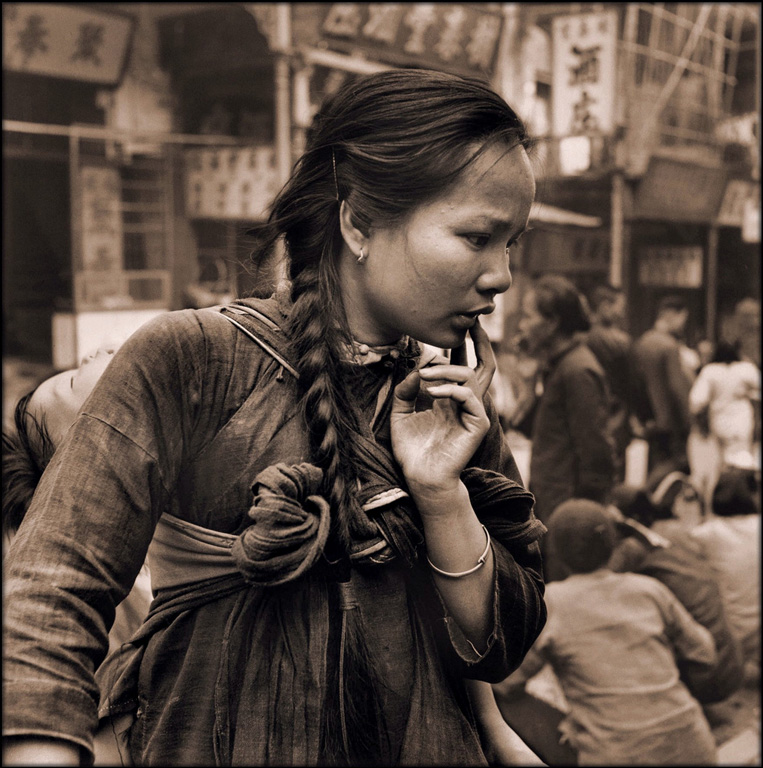
Nature of tea / Pu'ers & other post-fermented teas: the Dark tea category
by Leo Kwan · Published 2014.08.06 · Last modified 2022.12.10
The development of the technique for the modern classic post-fermentation process was developed in Hong Kong by tea merchants after WWII, converting…
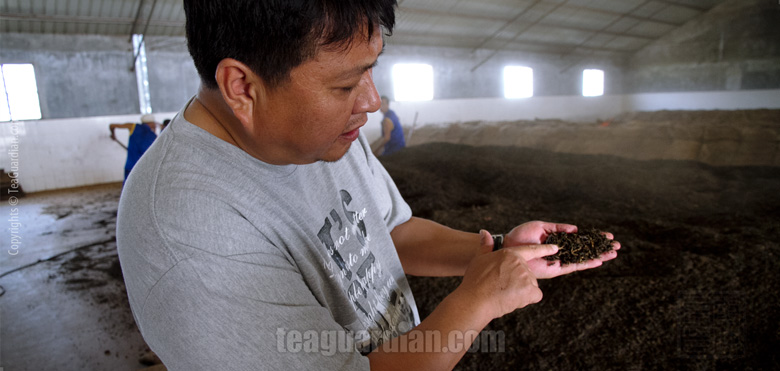
Nature of tea / Pu'ers & other post-fermented teas: the Dark tea category
by Leo Kwan · Published 2014.08.06 · Last modified 2024.02.26
• orientation • production • tasting notes • origin • buying tips • tea list...
Tasting notes Because of the high fire of Wuyi oolongs, they are much better when...

Wuyi oolongs generally give a shorter, but more robust impression both in the aroma and in the taste, as compared with other oolongs. This character is highly related to the prevalent processing style in this region