- This topic has 3 replies, 3 voices, and was last updated 13 years, 1 month ago by
.
Viewing 3 reply threads
Viewing 3 reply threads
- You must be logged in to reply to this topic.
Home › Dialogues › Tea Reviews › Term usage: Oolong/Black Dragon vs Teal Tea/Qīngchá
Tagged: oolong, qingcha, tea-culture, teal-tea, terminology
MEversbergII. MEversbergII
Just how often does the term qīngchá / “teal tea” / 青茶 find usage in modern-day tea culture? I can’t claim I’m present in the wider tea world, but so far I’ve only seem the term used on Wikipedia (which is where I learned of it). I am trying to habituate myself to using the actual Chinese (Mandarin?) terms for tea and related items, so I’m wondering if I should continue to call it oolongcha or if I should switch to quingcha.
I’m that guy, yeah.
M.
 Leo
LeoQingcha is an ambiguous term and is used more by certain people who rely on the book to know tea rather than going to the fields. It happens around certain groups in Taiwan and southern Fujian and hardly goes outside of these. It can mean clear tea in Chinese, referring to a tea that is not flavoured or scented. Or it can mean pure tea, implying not much other things, referring to a state of material frugality, abstinence, or deprivation.
MEversbergIIAh, so not something I should be too concerned about. I’m going to guess the term depreciated? I’d figured the term referred to very green style oolongs, as I guess it infuses a teal-ish colour, if viewed a certain way.
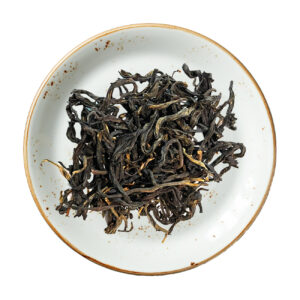
Baked stuff is certainly more amber, so it would be something more like Hǔpòchá (琥珀的茶?)
Oolong it is!
Thanks,
M.
 ICE
ICEI like the term qingcha in Chinese. Better when it is referred to tea from the mountains. Reminds me of the saying qing shan lu shui. Blue mountain green water, for scenic places.
advertisement