Tagged: monk, tea-culture, zen
- This topic has 4 replies, 4 voices, and was last updated 13 years, 7 months ago by
pancakes.
-
AuthorPosts
-
-
2012.07.22 at 7:09 am #8489
pancakes
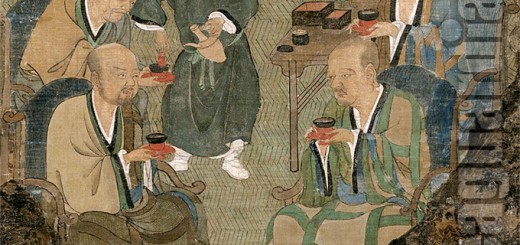
ParticipantEvery so often when reading about the history of tea in China, I will see something about monks making certain types of tea. For example, Huangshan Maofeng was originally developed by Buddhist monks. Are there certain types of tea that are associated with monks or with life in the monasteries?
I know that in Tibet, the monks would probably drink the local brick tea, but what about the monks in the rest of China? In Zhejiang province I saw that monks would drink green tea like Longjing, and black tea as well sometimes. Would monks typically just drink whatever teas are popular in the region? Or is there any special tea culture?
-
2012.07.23 at 11:42 am #9582
Leo
ParticipantAlthough the tradition has somewhat been distorted in mainland China, it is still pretty as it was in the rest of the Far East that Buddhist monks don’t drink alcohol and have to live a life of hard work. Some believe that tea was popularized by monks because they needed it to stay awake and calm especially during long hours of meditation and chanting. And monks had an important social role in most parts of history so their influence in various levels of the society is understandable.
Small tea farms are still maintained in some monastery although they are not producing as much as they used to be for real consumption for the occupants. Not many centuries ago, people came just for the special tea each establishment had to offer.Green tea was the de facto tea category in those days, and the gentlemanly taste profile of most traditional green tea reflects the ideal of simplicity of Buddhism. It is believed that Oolong tea was used as an alternative especially when serving big crowds during which the steeping time and particularly serving temperature is hardly controllable. Oolong is a lot more forgiving than green tea particularly when preparing and stocking a huge volume. Black tea took its place after it was invented because of relatively much lower labour cost and can be served up even when it has turned quite cold. It is still given away to passerbys in some temples and monasteries in southern China. In Japan, they use bancha in such situation. -
2012.07.25 at 1:44 pm #9589
CHAWANG
Participantzen and tea are not separatable. tea is always important element in buddhism in china and japan. longjing was first made by a monk before qian long emperor made it famous. the first tea gardens in japan were created by monks.
-
2012.07.25 at 5:31 pm #9590
Sara M
ParticipantI read that tea was made popular in Japan by shogans who used it to show off power. They sponsored monks to China and to make tea gardens. What are your sides of the picture?
-
2012.07.26 at 2:42 am #9592Participant
Very interesting, and these things help me to understand a little more about the traditional culture. It’s interesting that oolong and black teas seem to have been used as substitute teas for visiting laypeople as well.
Actually, I have often thought that green tea has a certain effect that is helpful for meditation. It seems to help clarify the mind, helping to energize it a little while keeping it balanced and refreshed. Of course, not all green teas have exactly the same effects, but those are general impressions I have gotten, at least. Most other types of tea have not done the same for me. Maybe exceptions to this would be certain green oolongs and dancong oolongs.
I did not know that Longjing also was developed by monks. I guess a certain lifestyle can be conducive to the development of refined teas. To at least a certain extent, they would have made the teas that they enjoyed the most.
-
-
AuthorPosts
- You must be logged in to reply to this topic.