Home › Dialogues › Health Matters › Tea and joint pain?
- This topic has 7 replies, 5 voices, and was last updated 12 years, 8 months ago by
ICE.
-
AuthorPosts
-
-
2013.06.23 at 5:46 pm #8587
asterix2k10
ParticipantSometimes when I over-indulge in tea I get pain in my joints and tendons. I drink a lot of tea so I am concerned about long-term effects on my joint and bone health. I understand green tea is anti-inflammatory so it’s good for arthritis. But on the other hand, I have read black tea increases risk of arthritis. Also I know caffeine leaches some calcium from the bones, so I try to get plenty of calcium in my diet. Finally, there is the slight concern about fluoride, which can cause joint pain through skeletal fluorosis, although I believe this is somewhat rare. I do try to drink good quality teas to avoid the fluoride issue.
What are your thoughts? Is the temporary pains and aches I feel from too much tea just exhaustion from the caffeine? -
2013.06.24 at 10:00 pm #9877
sofie1212
ParticipantWow! That must be a lot of tea! I have never heard that tea can cause joint pain. I drink 6 to 10 cups a day and I hope I am not getting that!
-
2013.06.24 at 11:44 pm #9878Participant
I saw an acupuncturist and they told me I had liver qi stagnation and also recommended an anti-inflammatory diet and prescribed herbs. Green tea was on the list of GOOD things to have. I now believe it is a dairy allergy. However, maybe check out this article (which I believe is focusing on the effects of black tea.)
On the other hand, green tea seems to have the opposite effect. -
2013.06.25 at 11:05 pm #9885
Leo
ParticipantI think if you are getting joint pain, you should be consulting a physician to see which is the cause.
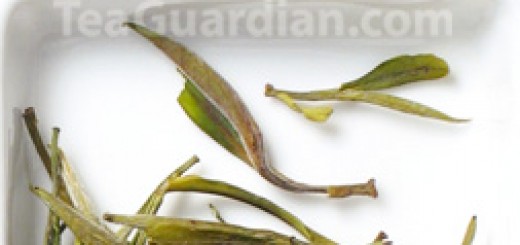
The teas that contribute to problems of the bone are mostly over grown leaves and those with twigs. Amounts of fluorides and aluminiums accumulate more in older parts of the plant. One issue with findings such as that cited in Daily Mail is that there is no discrimination as to the type of tea drunk. One prevalent tea product in the mass market is teabag, and the other, bottled tea drinks. Both are the lowest of all the low quality tea productions. Plantations sell their pruning wastes, ie what is mown from their tea hedges after plucking for better quality productions, including branches, clipped old leaves, etc as raw material to tea companies. Guess what you are drinking when you open your next plastic cap on that “Pure Green Tea” from Big Soft Drink Brand?I used to have joint pain too, even when I was much younger. It has been tea (good ones, of course), as well as a dramatic change of life style, that turns things around for me. That is one reason why I dedicate so much of my life in advocating it. -
2013.06.26 at 1:47 am #9887Participant
Thanks Leo. Maybe I should avoid drinking Kukicha, since it is made with twigs.
-
2013.06.27 at 7:19 am #9889Participant
I don’t think it really is the tea that’s causing the problem. Kukicha are basically stalks of younger leaves, and their al and fl are not really that high. The amount of tea consume has to be extremely high (like 10 litres a day) and from over-grown leaves for overdose symptoms. That’s why I suggest you should check with a physician to see if other things are causing you the joint problem.
-
2013.06.29 at 11:22 am #9900
Hokusai
ParticipantI have not heard about kukicha bad for health. This is a basic family tea in Japan.
-
2013.07.02 at 12:54 pm #9906
ICE
ParticipantI think to choose between two Japanese common teas kukicha and bancha, I’d much rather a bancha. However, I prefer to not waste the efforts in making a cup of tea over either of these. Life is short.
-
-
AuthorPosts
- You must be logged in to reply to this topic.