Tagged: Hong Kong, milk-tea, silk-stocking
- This topic has 2 replies, 3 voices, and was last updated 12 years, 10 months ago by
Leo.
-
AuthorPosts
-
-
2013.05.01 at 2:05 pm #8573
MEversbergII
ParticipantSo I have looked into silk stocking tea and I have discovered that good versions are best done with a blend of leaves, apparently based around Ceylon style hongchas. This struck me as a little weird, given that Hong Kong is significantly further away from Ceylon than, say, Fujian. British influence, I suppose.
Anyways, I found a few recipes calling for the boiling of a few Lipton bags but naturally I’ll be wanting something a little better. What kind of tea base / blend would be a good place?
M.
-
2013.05.05 at 12:31 pm #8834
Leo
ParticipantI’ll leave the reason why Ceylon tea was in the beginning selected for HK milk tea. I hope some other people will discuss on that. Let me discuss what makes a good milk tea base.
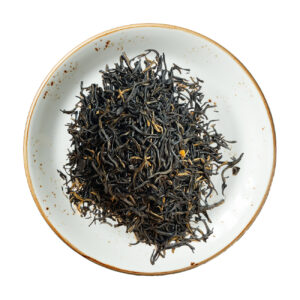
The objective is simple, a strong enough tea with some aroma to with stand the addition of condensed or evaporated milk, and a lot of white sugar. For commercial side of the consideration, it has to be cheap enough and quick enough to infuse. And withstand poor storage in the conditions of the kitchen or bar in the diners or the food shacks where it is prepared.As a consumer, I’d push away the commercial perspective and think only about taste and quality. To me, whether the cost is 50 cents or 5 cents for the cup really is cheap enough, for commerce, it is 10 times the cost, especially when the customers are more cost conscious than quality-wise.In terms of taste, teabags won’t work. They are far too tasteless. Neither is cost. I don’t need that extra bags, which is very likely to be more expensive than the broken leaves inside.The fact is, a lot of varieties of tea infused to over strength can work for milk tea. Green, puer, oolong and of course, black. Choose teas that possess a lot of taste and aroma. The coarseness of the body due to over strength will be remedied by the dense milk and sugar later.However, if you want a black tea to the style of those in HK diners, but in better quality and taste, get a good grade thoroughly fermented black tea with good aroma, whether its the baked, sweet kind of aroma or floral, brighter kind. Length of taste is important. The “Ceylon” taste is most prominent in productions from Uva, Ceylon. You’ll find higher pitch in Nepal’s, more middle tones in Assam’s and Yunnan’s, and much rounder in Fujian’s and Sichuan’s, generally speaking and regarding only better ones.Once you liberate yourself from the confinement of broken grades, single origin better quality teas are good choice each with its unique, standalone character.The key in HK style milk tea, however, is not so much the tea choice, but the steeping method, which I have discussed in the related article. -
2013.05.08 at 10:12 am #8809
tea soul
ParticipantIn the beginning it was Western style cafes serving milk tea. They had to create special prestige using a tea more exotic than Chinese or Indian. Therefore Ceylon was the better choice. Ordinary grade Ceylon tea was much sharper and more depth than ordinary Indian tea, such as Assam BOP, that made a stronger reason. Because after ading milk and sugar there is still Ceylon tea taste. Also aroma.
Vietnamese tea is use now to blend in not for better taste, but for cheaper price. Good cafe still use only Ceylon tea.
-
-
AuthorPosts
- You must be logged in to reply to this topic.