Home › Dialogues › Tea Reviews › Dian Hong and China Blacks in general
Tagged: black tea, dianhong, fengqing, oxidation, tea-production
- This topic has 5 replies, 5 voices, and was last updated 14 years, 7 months ago by
snash.
-
AuthorPosts
-
-
2011.08.04 at 9:33 am #8359
snash
ParticipantTasting some Dian Hong, we once more came to some questions regarding chinese black teas i.e hongcha:
A taiwanese tea friend and trader who nows a lot about tea said that one of the teas (from fengqing 凤庆 July 2010) has too less oxygen during fermentation (缺氧). she holds it for a bad foult that makes the tea undrinkable. but westerners like the chocolate flavour coming from this. Do you also hold this four a unexcusable fault or is it just a different fermentation (ie oxidation) processing?
An assamese tea friend and trader would not find any chocolate flavour in the above mentioned tea and find it quite good. In his opinion the second tea (fengqing 凤庆 March 2011) is burnt because of overfiring in the stage of drying. but this second tea the taiwanese lady found quite good, just lacking a little of the longgan flavour.
Generally, our assamese friend holds that chinese black teas are “dirty” in the sense that the producion place is not totally cleaned. so mikroorganisms can get to the tea and may affect fermentation. in the cup, assam teas are very clear while dian hong are very dull. We think rather the opposite, that too clean is never good (like a industrial, low-quality beer is filtered and clean with only one yeast while a high-quality beer is unfiltered and brewed in higher temperatur using a lot of different yeast and also other mocroorganism)
-
2011.08.05 at 1:44 am #8724
Leo
ParticipantHi Snash, you are posting quite a few questions here and I’ll try to respond to them a couple at a time. Hope some other readers may provide other answers too.
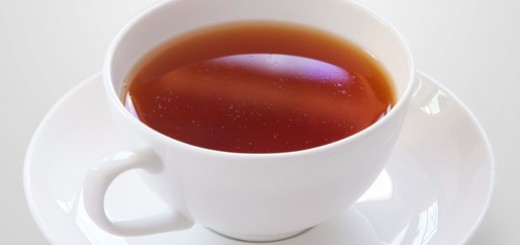
I’ll deal with the more objective issue of clarity of colour of the infusion first:The clarity of the colour of infusion (i.e. whether the tea in the cup is clear or not) is NOT a reflection of how good any tea is, or whether the production place is clean or not.A simple observation:The production of sencha in modern factories maybe the cleanest of all in the world today but a good sencha is never clear in colour. Very cheap teabags of dusting of many materials from factories of various standards from any origin almost always give you a clear infusion.This point of your question touches on a few issues that are related to some basic facts so I am laying them down here:What is it that render an infusion murky rather than clearParticles of the tealeavesTiny debris from the tealeaves, in particular those that are lighter in colour that reflect more light when suspended in the liquor, is more abundant in Dian Hong than most other black teas. That is because there are a lot more tips each with more downy hairs in Dian Hong.Oxidation of flavonoidsCaffeine interacts immediately on contact with certain flavonoids to form larger molecules with unstable bonds. They precipitate to become tiny crystals as the temperature of the liquor drops. These tiny particles suspend in the tea and make the tea not clear in colour. The colder the tea gets, the more the precipitation and the less clear the tea gets. You heat it up again, and the bond of the two materials breaks and the tea gradually turns clear again. That is one reason why some black teas are never used for ice tea. Almost all teabags do not show this phenomenon, although which particular flavonoid is responsible for this is not known, and some other very fine Chinese blacks do not show this as well.MicrobesMicrobes exist anywhere in the natural environment, even in the cleanest Japanese tea factory, let alone Assamese ones. There are many tea factories in China that are modeled after the Japanese cleanliness standard, but they may not give you the best tea in term of gourmet standard. The factory of Fengqing Tea Company may not be the cleanest in the world, but it is not bad compared to some in Assam. Microbes maybe quite abundant on the floor, but they are in the human hands when not frequently washed.Some microbes strive on the wet tealeaves when the leaves are wet and laid still for fermentation. Their presence become one contribution to the final taste of the tea. They are there whether the place is clean or not. They come mostly from the air. They are reduced in machine tea production since the early part of the previous century by shortening of the fermentation time by heat and elimination of the traditional “laid-down” fermentation step. This changes the taste of black tea. (Yep, you are right, microbes are instrumental in determining some tastes) Whether one likes the “modern” produced tea or the traditional one is a subjective matter, but the density of the presence of microbes is only relative. It is not logically related to whether the tea in the cup is murky or not. Puer (shu cha) is a great example. Their production is totally reliant on microbes and yet some selections give clear, deep colour infusion.I’ll stop now for today. -
2011.08.05 at 5:37 pm #8725
Manila Tran
ParticipantI thought the phenomenon of black tea turning murky on cooling down “creaming down” is an indication of quality. It does not happen with lower quality black teas with less bioactive substances. As far as my understanding goes.
-
2011.08.06 at 1:51 pm #8726
Tea Man Bill
ParticipantHere are some useful related readings:
bon reading! -
2011.08.08 at 12:42 am #8730
Amuk
Participant@ Leo, I have puzzlement here. How come some very high quality Assam with many golden tips still infuse clear? The creaming down effect happens only to some black tea and not in green or oolong tea. So what explain the “murkiness” in some high quality green tea?
-
2011.08.10 at 5:30 am #8737Participant
Hello Manila Tran
Thank you for answering, but the question was not about this creaming down effect when the cup is cooling down but about the infusion when it’s fresh.
-
-
AuthorPosts
- You must be logged in to reply to this topic.