Home › Dialogues › Health Matters › Where to find organic trusted tea? › Re: Where to find organic trusted tea?
2014.02.03 at 10:55 pm
#10167
 Leo
LeoParticipant
@Bogdan, please accept my apologies for blocking access to your country before. We have decided to open it but need time to create the postage schedule for it. I hope we can finish doing that soon enough so you don’t get too angry at us.
I am happy that you posted the products here for opinions and I’d like to share mine here. You are correct that not a lot can be judged from the few pictures alone in the first place, but I hope my experience in dealing with tea may lend perspectives that maybe of reference values.
I agree with Hokusai that the only seeming potential one is the Baihao Silver Needle tuocha. I am not sure if the leaves are really from indigenous Yunnan cultivars, which belong to the assamica sub variety, or if they came from Fujian. They taste very differently. There are people collecting leaves from Fujian to blend into Yunnan productions to give the shiny light colour look. Real quality silvery hair plucks of indigenous cultivars have been high in cost. Good ones that taste good are even more expensive. That price seems exceedingly affordable for a genuine one.
Of the four, the one I discourage the most will be the mini-puer-cakes. All things, including the label, do not seem right.
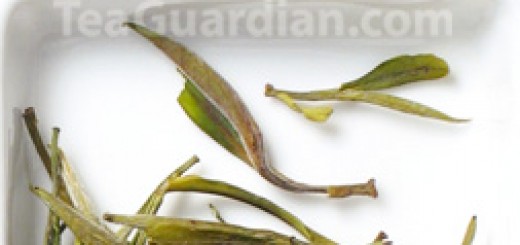
The Anji Baicha maybe authentic, but is of a quality much lower than those that I have experienced. Here is what a real one look like:

The one posted in that link, if genuine, maybe of a later pluck and machine roasted, that is why the look. However, even if it is not a genuine Anji Baicha (or Baipian), it seems to be a respectable quality green tea, if the taste is right.
The kind of loose leaf Silver Needle is exactly what a lot of internet shops are selling: imitations. A real one from Fuding or Zhenghe, from the proper cultivars, should have longer downs. Properly withered ones through the white tea process should have not been so green. The slight oxidation (or fermentation), since it happens so gradually, would cause the overall colour to be duller and not spotty reds as in the photos of the link. I have a photo of a green version, a short slightly oxidised version, and a traditional genuine quality below (in respective order), all from Fuding and from the genuine plant: