Fermentation
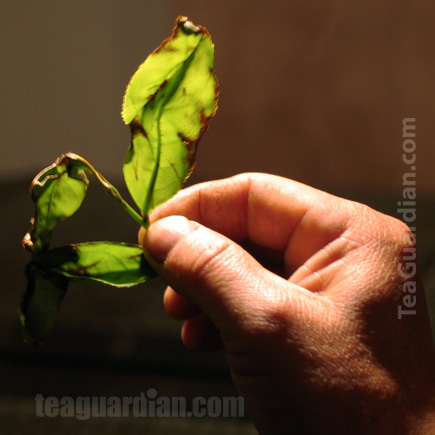
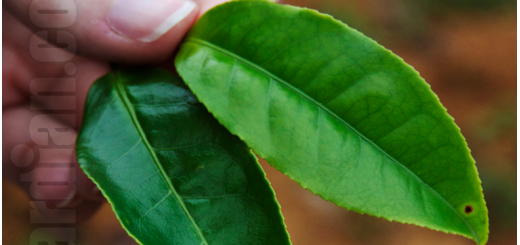
Edge of the leaf bruised and oxidized towards the end of the oolong oxidation process. This Wuyi demonstration is visually more dramatic in than most other styles of oolong.
Fermentation is a food processing method in which the metabolism of microbes alters the chemical composition of the raw food material to produce certain gastronomical effects and / or health characteristic in the final food product.
Popular food items that are produced with fermentation include wine, vinegar, soy sauce, yogurt, cheese etc
In tea, the term fermentation has been used by the West since the 19th century to refer to what is more accurately described as the oxidation process, in which the enzymes, phytochemicals and other substances in the green leaves are exposed to the air and to one and other to react chemically and change into other substances, such as carbohydrates, aromatic oils and more complex forms of polyphenols. These resultant substances determine the taste and health qualities of the final tealeaves product.
White teas, black teas, semi-black teas, and oolong teas are all oxidised to various extent.
One tea category that really goes through fermentation in production processing are the post-fermented teas.
You can see the term fermentation in various articles in this site:
- “Raw” Puer or “Cooked” Puer?
- A (Very) Brief History of Green Tea
- Black Tea: Between Teabag and Hand-rolled Whole-Leaves
- Black Tea: Health Notes
- Black Tea: Origin & Production
- Black Tea: Tasting & Buying Tips
- Burn that Fat: 7.7% off waistline!
- Caffeine: How Much is Safe?
- Categorization of Teas
- From Crude Provision to Treasure: Origin of Dark Tea
- From Shengcha to Shu Cha, a Microbial Change
- Fuding Semi-black: White Tea with a Twist
- Gongfu Infusion: General Parameters
- Green Tea Production: Sun-drying
- Is a Semi-fermented Tea an Oolong?
- Jasmine Pearls, Crafted for a Reason
- Lapsang Souchong, The Original Version
- Modified Teas: Orientation
- Oolongs: Minnan (Anxi) Varieties
- Oolongs: Phoenix Varieties
- Oolongs: Production
- Oolongs: Wuyi Varieties
- Organic Spring, Taiwan Wulong Green Tea
- Polyphenols in green and black teas
- Post-fermented Tea (dark tea)
- Pu’er
- Pu’er: Myth of Origin & Reality of Blending
- Puer, a Post-fermented Tea
- Quality Basics 2: The Production Process
- Red Plum Classic: Tea of Heavenly Kingdom Revolt
- Rougui, the Wuyi oolong before Shuixian
- Selected Bibliography
- Shengcha
- Shou Cha or Shu Cha?
- Shu Cha
- Silver Needles, the First White Tea
- Site map
- Tea and Cardiovascular Health
- Tea from the Himalayas: Nepali Black
- Tea Infusion: What does it Mean?
- Tea Storage: The Environment
- The Significance of Quality
- Tieguanyin, Charcoal Style
- To blanch or not to blanch? That is the question
- Traditional Oolong Production: A Showcase
- Uva Hand-rolled Black Tea, Gongfu from Sri Lanka
- What are Compressed Teas?
- What Really is a White Tea?
- White Peony, Real White Tea
- White Tea: Health & Buying tips
- Wuyi Oolongs: Tasting, Health & Buying Tips
- Yancha Shuixian, Wuyi oolong