Home › Dialogues › Tea Making › growing and harvesting green tea organically
Tagged: organic, tea-growing, tea-making, usa
- This topic has 3 replies, 4 voices, and was last updated 13 years, 7 months ago by
Leo.
-
AuthorPosts
-
-
2013.02.15 at 10:27 am #8542
FC
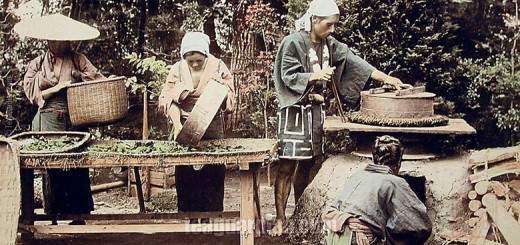
ParticipantGreetings -I live on the pacific north coast of Ca. and have been
harvesting new leaves this year from my tea plants. At first I tried
baking -but I burnt them. So now after harvest I air dry in baskets and
then roast in a wok to drink or store in glass jars in dark area. The
favor is nice -but I just want to be sure this way of processing the
leaves is safe. As well I needed to trim away some of the larger leaves
recently. Will these be more higher in caffeine then the tips. How much pruning (so far all of which I have pruned I make into tea) should be done yearly to keep the plants healthy? Also I use fish emulsion and seaweed for fertilizing do you have any other suggestions? Thank you for your
site! Francesca–
-
2013.02.15 at 2:12 pm #9707
Betty
ParticipantThis is inspirational! How did you get the tea bush?
-
2013.02.16 at 8:43 pm #9711
Sara M
ParticipantI’d very much like to do that too. However, I know you have to apply for a special permit to bring back seeds or any plant other plant lives into the country. There are some tests for the seeds too. So for us home growers, we have to get the plant in the domestic market. I’d like to know where.
-
2013.02.17 at 1:20 am #9713
Leo
Participant@FC, It sounds like a renaissance of tea! Congratulations for your first success!
The process you described is in principal green tea roasting. As long as the plants are proper and properly grown, your tea is safe (and good) for health. You can visit this page about details of wok roasting production:Notice that the roasting is done in two or more sessions, so as to leave time in between for the inner moisture to surface for more thorough drying for longer keep-sake.When you store your finished product, minimize the air that it is stored inside with.As for caffeine content, the tips are generally higher than grown leaves. However, do not avoid tips because of caffeine. Tips and top leaves are higher in theanine and other salutary contents, while grown leaves are much less effective and higher in other not so desirable contents, such as fluorides. You can read these articles:Tea is a good survival plant so in case you mistakenly over-pruned, it is likely to grow back. In production gardens/plantations, the bushes are trimmed like hedges. In industrial plantations, such as those you’d see in photos with rows and rows of hedges, the trimming are used too.In gardens specialised in premium teas, the trimmings are either put to compose or sold as raw tea materials for mass market tea products.In case you do not need a lot of tea for selling, I do not advise too much fertilization, however organic it is. Fertile soil is conducive not only to the growth of tea plants. While tea strives in leaner land, most other organisms grow wild on fertile soils.Smaller gardens for better quality teas normally apply fertilizers once a year or other year. Never apply those things you mentioned directly over the soil of the roots. Decompose them, dilute them with new soil, and then lay 2 or 3 inches thick of this soil under the bushes. I have no idea of the kind of soil in N CA coast is so I cannot comment on the fertilizers you are using, but they sound right for green tea.I remember driving along that area though. It seemed to be a temperate climate with significant moisture. Remember to watch the growth of the plants and don’t over water them. Slower growth yields better tea.Enjoy the good work and this great gift of Nature and labour.
-
-
AuthorPosts
- You must be logged in to reply to this topic.