Home › Dialogues › Questions › Medicinal properties in aged white tea? › Reply To: Medicinal properties in aged white tea?
 Leo Kwan
To answer this question, I have a small story to tell.
Back track to 2001, when green tea was the hype and dyed green tea was not uncommon in the Chinese market, there were various kinds of funny herbal leaves infesting all shops in different tea wholesale markets. White tea was green. I asked my producers why even they, traditional farmers, are making such silly things. They said those things sell well.
I was probably the only “stupid” merchant collecting visually lesser appealing but real white teas and mature them.
By 2004, when puer cha bing was in high demand, people in white tea regions sold off their leaves to collectors from Yunnan to make the vast quantity of compressed tea that still circulate the market today. The tea collectors bought so much that the collection price for white peony went up about 30% — about 60% of today’s price — the subsequent year and there were not a lot products in the market. A couple of white tea producers got the idea and began experimenting with compressing white peony tea for selling at higher price.
At around the same time, some science reports said white tea was more potent than green tea in anti-oxidative effects. Some interpreted it as anti-ageing. Tea merchants from around the world began coming to China to get white tea. Again, most products remained green, for better visual appeal and higher price.
It was very difficult to get real white tea even for me. I had to force my producers to stick to old formulas at least for my stocks.
In 2007, when puer leaf collectors were no longer collecting in Fujian, a few producers are producing white tea cha bings and the products started to appear in the market. The idea of maturing white tea became more popular. naturally, they want to sell these things, and at a higher price. Some of my producers began bragging about their 2 year “matured” cha bings. Traditional style white teas became more dominant than white looking green tea.
So I hope this little piece of history illustrates the background to you.
That one three seven year saying or similar stuff actually happens in many tea regions. You know how good people are in brain-washing and receptive of being brain-washed in Mainland China.
The key in maturing a good white tea really is in the original quality and ageing conditions. Like any other teas. I have seen some good storage facilities in Fujian, but most products in the market are aged in the seller’s crappy storage or right in their shops. When you find a tea is stale and not worth drinking. It is so. Don’t get brain-washed.
One other key is that white tea do not stand long years of maturity. It seems to me that there is not much difference between products put away properly for 8 years and 12 years. I guess it plateaus at around that time.
I have not come across any reports on the health potency difference between matured and fresh white teas. I guess it does not have a priority like many other aspects of tea. If I were to sponsor one such study, I’d rather focus in pu’ers and oolongs.
Maturing white tea is more about the taste dimension to me.
I hope this gives you enough materials to come up with an answer of your own.
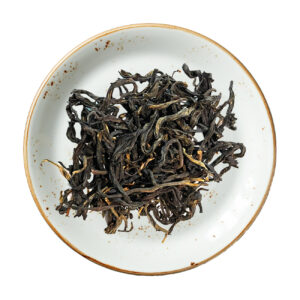
There are two photos below: a matured Zhenghe White Peony and a fresher one. For more about the topic: