Gongfu Infusion: General Parameters
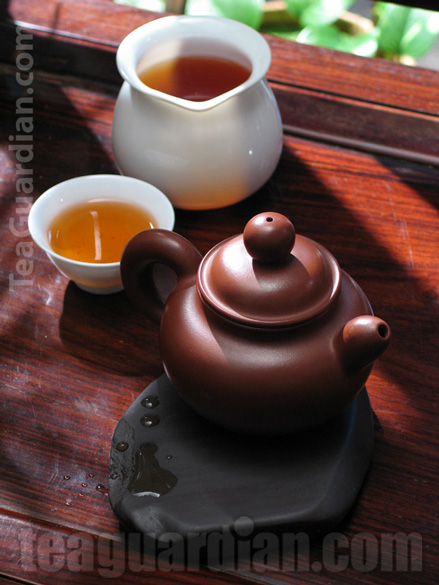
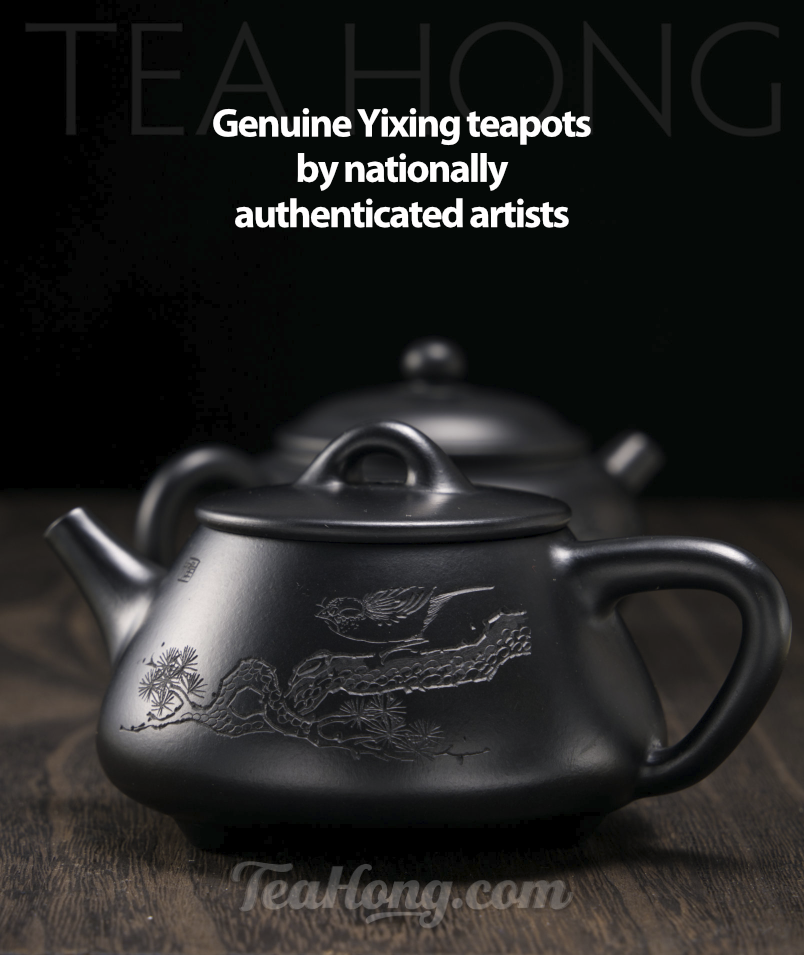
The basic tools to a gongfu tea set: a Yixing teapot, a chahai, and a cup
The immediate benefit of gongfu infusion
The obvious advantage of using the gongfu approach in making tea is the much shortened infusion time for a strong enough tea. The idea is very simple, reduce the size of the infusion vessel and increase the amount of tealeaves so that the taste of the resultant liquor can be intensified. Executed well, the effect can be unparalleled by the infusion of the same tea infused any other way. However, as to how to adjust each of the variables, it really is as much an art form as a cooking science. Trial and error with a particular selection is the best way to learn the play of a tea.
Taking it easy
Most people using small infusion ware to make tea never really measure the amount of tealeaves, the infusion duration or the water temperature. Most do not even know the capacity of the infusion ware. This is a great way to enjoy tea — taking it easy. We do that too.
However, most have not optimized the taste potential of the teas they are using. Many, perhaps the majority, never really know the full taste profile of their tea. That include even many merchants and tea producers.
In another word, a casual approach does not necessarily, actually most certainly not, helps one to experience the best of a particular tea selection.
For example, too high a temperature most certainly kill a delicate green tea. Too low, on the other hand, would never give you the full aroma of most oolongs, or the sweetness of post-fermented and black teas. But how low? or how high? Infusion durations that are too short would not be able to extract enough dissoluble substances and the liquid tastes watery. Add a lot more leaves, and you are further away from the true taste profile of a selection.
However, good teas taste better any ways, and bad teas would not show so much of their full face, so you still have a good time at the end of the day.
People who really want to enjoy the most of their teas would definitely need to maximize what a particular selection is capable of. This requires conscious decision in the deceptively simple process of tea making.
Variables that affect the final taste of a tea
Variables in using the gongfu approach can be greatly different per tea selection and according to different conditions. Because of the much shortened infusion time, the influence of other factors plays a much larger role in the final effect.
These factors — variables — are:
- Material, thickness, design and size of the infusion ware
- The manner with which water comes into contact with the tealeaves
- Water quality
- Ambient temperature
- Quality of the tealeaves
- Physical state of the tealeaves
They all affect the decisions of water temperature, duration of infusion and water to tealeaves ratio.
Another group of factors that influence how you are able to taste the infused result are:
- Material, thickness, design and size of the drinking vessel
- Temperature of the tea when you drink it
- How long the tea has been exposed
- Your own health condition
- How clean your palate
- the environment
We shall discuss these variables in detail as we progress with the advancement of the gongfu infusion talks.
The Parameters
It does not matter whether you have been doing the gongfu style for a while or just beginning, as long as you have not been consciously gauging your infusion parameters according to the tea, you have something to work on. Before we go deeper into specific details, please use this following table as a general reference:
- Infusion ware full capacity: 200 ml (1)
- Material: medium thickness(2) and hardness porcelain or Yixing clay
- Tea quality: medium range fine teas (lower quality may require less tealeaves or shorter infusion time)
| tea varieties | tealeaves | temp | 1st infusion | repeat | |
| Green, orchid or needle style | 4 g | 75°C | 167°F | 4’ 00 | +1’ 30 |
| Green, flat, twisted or curled | 3.5 g | 75°C | 167°F | 5’ 00 | +1’ 30 |
| Green, steamed | 5 g | 70°C | 158°F | 2’ 00 | +0′ 40 |
| Green, sunned | 4 g | 90°C | 194°F | 1’ 30 | +0′ 20 |
| White, needles | 7 g | 90°C | 194°F | 2’ 30 | +1’ 00 |
| White, orchids | 4 g | 90°C | 194°F | 1’ 20 | +0′ 20 |
| Oolongs, green, beaded | 9 g | 90°C | 194°F | 1’ 00 | +0′ 30 |
| Oolongs, green, long | 6 g | 90°C | 194°F | 0′ 40 | +0′ 10 |
| Oolongs, browned, beaded | 9 g | 85°C | 185°F | 1’ 00 | +0′ 20 |
| Oolongs, Phoenix classics | 8 g | 85°C | 185°F | 0′ 30 | +0′ 10 |
| Oolongs, Wuyis | 5 g | 90°C | 194°F | 1’ 30 | +1’ 00 |
| Blacks, full fermentation | 5 g | 95°C | 203°F | 3’ 00 | +1’ 00 |
| Blacks, lighter fermentation | 3.5 g | 90°C | 194°F | 3’ 00 | +1’ 00 |
| Post-fermented | 10 g | 100°C | 212°F | 1’ 00 | +0′ 20 |
Again, please remember that this is a starting point for your experiments. Each selection is different and may require fine tuning. This is part of the fun of making fine tea with the gongfu approach.
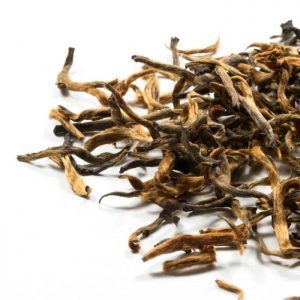
For references on the tea varieties, you may go to the corresponding category orientation pages or the tea directories for a quick visual check:
tea list directories: greens | whites | oolongs | blacks | post-fermented